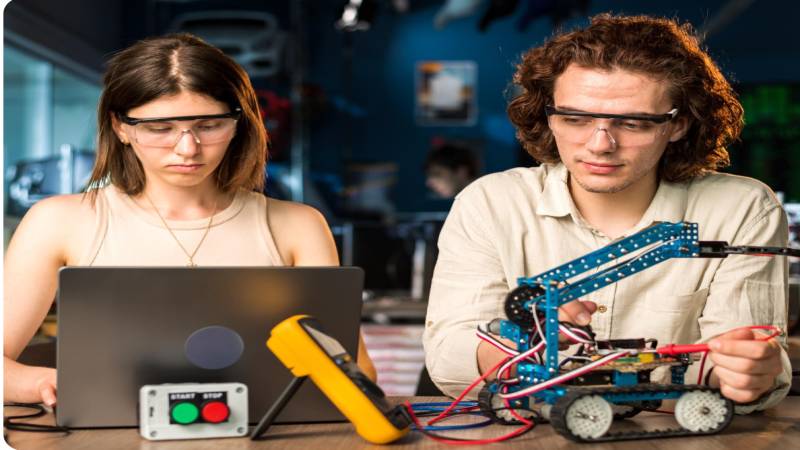
Technology has become an essential part of modern life. People use computers, smartphones, software, and digital tools for communication, education, entertainment, and professional activities. As technology continues to develop, learning how to use digital tools effectively has become increasingly important.
Technology enthusiasts, commonly known as tech-heads, enjoy exploring new devices, understanding software, solving technical problems, and discovering innovative solutions. However, keeping up with technological developments can sometimes be challenging because new tools, applications, and systems are introduced regularly.
Developing strong technology skills requires curiosity, patience, and continuous learning. Whether someone is a beginner or an experienced technology user, there are always new things to explore and understand.
Tips for tech-heads beaconsoft is a useful topic for people interested in improving their digital knowledge, learning practical technology skills, and becoming more confident when using modern devices and software.
This article explains practical technology tips, essential digital skills, cybersecurity practices, software management, and useful habits that can help technology enthusiasts improve their knowledge.
1. Stay Updated With the Latest Technology Trends
Technology changes rapidly. New smartphones, computer components, software applications, and digital services are introduced regularly. Staying informed helps technology enthusiasts understand these developments and make better decisions.
Some important technology areas worth following include:
-
- Artificial intelligence and machine learning.
-
- Cloud computing.
-
- Cybersecurity.
-
- Mobile technology.
-
- Computer hardware.
-
- Software development.
-
- Internet of Things.
-
- Virtual and augmented reality.
You do not need to study every technological development in detail. Instead, focus on subjects that match your interests and professional goals.
For example, someone interested in computers may follow developments in processors, graphics cards, and operating systems. A person interested in software may prefer learning about programming languages and application development.
Reading technology articles, watching educational tutorials, and participating in technical discussions can help you stay informed.
2. Learn the Basics Before Exploring Advanced Technology
One common mistake among technology enthusiasts is trying to learn advanced concepts without understanding the fundamentals.
Basic knowledge provides a strong foundation for understanding complicated systems.
For example, before learning advanced computer networking, understand basic concepts such as IP addresses, routers, internet connections, and network security.
Similarly, before exploring programming frameworks, learn basic programming concepts, including variables, conditions, loops, and functions.
Important foundational skills include:
-
- Understanding computer hardware.
-
- Learning how operating systems work.
-
- Managing files and folders.
-
- Installing and updating software.
-
- Understanding internet connectivity.
-
- Using common productivity applications.
-
- Recognizing basic technical errors.
Learning step by step makes technology easier to understand and reduces unnecessary confusion.
3. Choose the Right Devices for Your Needs
Technology enthusiasts often enjoy purchasing the latest gadgets. However, the newest device is not always the best choice.
Before buying a computer, smartphone, tablet, or other electronic product, consider your actual requirements.
For computers, important factors include processor performance, RAM, storage capacity, graphics capabilities, and battery life.
For smartphones, consider camera quality, battery performance, operating system support, display quality, and available storage.
Important Buying Guidelines
Identify your purpose: Decide whether you need a device for gaming, programming, office work, education, or general use.
Set a budget: Choose a product that provides suitable performance without unnecessary expenses.
Compare specifications: Understand the technical features instead of relying only on marketing descriptions.
Check compatibility: Make sure the device supports the applications and accessories you need.
Consider durability: Build quality, repairability, and software support can influence long-term value.
A thoughtful purchasing decision can save money and prevent future problems.
4. Keep Your Software Updated
Software updates are important for maintaining device performance, compatibility, and security.
Operating systems, applications, browsers, and device drivers receive updates that may introduce new features or correct existing problems.
Outdated software can contain security weaknesses and may not work properly with newer applications.
Follow these simple practices:
-
- Enable automatic updates where appropriate.
-
- Install updates from trusted sources.
-
- Update your operating system regularly.
-
- Keep web browsers current.
-
- Remove applications you no longer use.
-
- Review application permissions.
-
- Restart devices when necessary to complete updates.
Before major system updates, back up important files. This precaution helps protect your information if an unexpected problem occurs.
5. Develop Strong Cybersecurity Habits
Cybersecurity is one of the most important areas of modern technology. Computers and smartphones often contain personal information, financial records, photographs, and important documents.
Protecting this information should be a priority for every technology user.
Use Strong Passwords
Create unique passwords for different accounts. Avoid using simple combinations such as birthdays, names, or common words.
A reputable password manager can help organize and protect login information.
Enable Two-Factor Authentication
Two-factor authentication adds an additional security step when accessing an account. It can make unauthorized access more difficult.
Avoid Suspicious Links
Unexpected messages, emails, and attachments may contain harmful links or fraudulent requests.
Always check the sender and destination before opening unfamiliar content.
Use Trusted Software
Download applications from official or reputable sources. Avoid unknown programs that request unnecessary permissions.
Back Up Important Data
Keep copies of important documents, photographs, and personal files. Backups can help recover information after accidental deletion, hardware failure, or other unexpected problems.
Developing these habits can significantly improve personal digital security.
6. Improve Your Computer Performance
A slow computer can make everyday tasks frustrating. Fortunately, several maintenance practices can help improve performance.
First, remove applications that are no longer needed. Unused programs may consume storage space and sometimes run background processes.
Second, manage startup applications. Too many programs launching automatically can increase startup time.
Third, keep enough free storage space available. Computers may perform poorly when their storage is nearly full.
Other useful maintenance practices include:
-
- Restarting your computer regularly.
-
- Cleaning unnecessary temporary files.
-
- Updating device drivers.
-
- Checking available storage.
-
- Monitoring resource usage.
-
- Keeping the device physically clean.
-
- Ensuring proper ventilation.
Avoid installing multiple unnecessary system-cleaning applications. Some may create additional problems rather than improving performance.
7. Explore Artificial Intelligence Tools
Artificial intelligence has become an important part of modern technology. AI tools can assist with writing, research, programming, data analysis, image creation, and everyday productivity.
Technology enthusiasts can use these tools to improve their understanding of different subjects.
For example, AI assistants can explain technical concepts in simple language, help organize study plans, and provide suggestions when troubleshooting ordinary software problems.
However, AI-generated information should always be checked carefully.
Some systems may provide incorrect explanations, outdated details, or incomplete answers. Avoid entering passwords, financial information, or confidential business data into tools that are not approved for handling such information.
AI works best as a learning and productivity assistant rather than a replacement for independent thinking.
8. Learn Basic Programming Skills
Programming is a valuable skill for anyone interested in understanding how software works.
It teaches logical thinking, problem-solving, and the ability to create digital solutions.
Beginners can start with popular programming languages such as Python, JavaScript, or Java.
Python
Python is known for its readable syntax and is commonly used in automation, data analysis, artificial intelligence, and application development.
JavaScript
JavaScript is widely used in web development and helps developers create interactive website features.
Java
Java is used in enterprise applications, software development, and various other computing environments.
Beginners should start with small projects rather than attempting complicated applications immediately.
Simple examples include creating a calculator, building a basic webpage, or developing a small task-management program.
Regular practice is more valuable than trying to memorize large amounts of programming information.
9. Understand Cloud Computing and Data Storage
Cloud computing allows users to access storage, applications, and computing resources through the internet.
It has changed how individuals and businesses manage digital information.
Cloud storage can help users access files from different devices, share documents, and maintain backups.
However, cloud services should be used responsibly.
Important guidelines include:
-
- Use strong account passwords.
-
- Enable additional account security.
-
- Review sharing permissions.
-
- Organize files into folders.
-
- Keep backup copies of important information.
-
- Avoid uploading sensitive information to untrusted services.
It is also important to understand the difference between cloud storage and local storage.
Local storage keeps information on a physical device, while cloud storage relies on remote computing infrastructure accessed through an internet connection.
Both approaches can be useful depending on your needs.
10. Build Practical Troubleshooting Skills
Technical problems are a normal part of using computers and digital devices. Learning basic troubleshooting techniques can help users solve common issues independently.
For example, if an application stops responding, restarting it may resolve the problem. If an internet connection fails, checking the router and device connection settings can help identify the cause.
A simple troubleshooting approach includes:
-
- Identify the problem clearly.
-
- Check whether the issue affects one application or the entire device.
-
- Review recent changes or updates.
-
- Restart the affected application or device when appropriate.
-
- Check available error messages.
-
- Consult official documentation.
-
- Seek qualified technical assistance if necessary.
Avoid changing advanced system settings without understanding their purpose.
Keeping notes about recurring problems and successful solutions can also improve your technical knowledge over time.
11. Protect Your Digital Privacy
Privacy is another important consideration for technology enthusiasts.
Many applications collect information about user activities, preferences, and device usage. Understanding privacy settings helps individuals make informed decisions about what information they share.
Review the permissions granted to mobile applications. A simple calculator, for example, generally does not need access to your contacts or microphone.
Other useful privacy practices include:
-
- Review account privacy settings.
-
- Limit unnecessary location sharing.
-
- Use secure internet connections.
-
- Avoid sharing personal details publicly.
-
- Check application permissions regularly.
-
- Be careful when connecting to public Wi-Fi.
-
- Review website privacy policies.
Tips for tech-heads beaconsoft also highlights the importance of understanding technology responsibly, including protecting personal information while exploring digital tools and services.
12. Develop a Continuous Learning Routine
Technology knowledge becomes more valuable when it is supported by regular practice.
Instead of trying to learn everything in a short period, create a simple learning routine.
For example, spend a few minutes each day reading about technology or practicing a particular skill.
You can divide your learning activities into different areas:
-
- Monday: Learn a new software feature.
-
- Tuesday: Study basic programming.
-
- Wednesday: Explore cybersecurity.
-
- Thursday: Practice computer maintenance.
-
- Friday: Review recent technology developments.
-
- Saturday: Work on a small technical project.
-
- Sunday: Review what you have learned.
This schedule is only an example and can be adjusted according to your available time.
The goal is to build consistent learning habits rather than follow a strict timetable.
13. Common Technology Mistakes to Avoid
Even experienced technology users can make mistakes that affect performance, privacy, and productivity.
Some common mistakes include:
Ignoring updates: Outdated software may contain security weaknesses.
Using weak passwords: Reusing simple passwords increases account security risks.
Installing unknown applications: Untrusted software may contain unwanted or harmful components.
Ignoring backups: Important files can be lost because of hardware failure or accidental deletion.
Buying unnecessary gadgets: Purchasing products without identifying actual needs can waste money.
Believing every online claim: Technical information should be checked against reliable documentation.
Avoiding practical experience: Reading about technology without practicing can limit understanding.
Being aware of these mistakes can help users develop safer and more effective technology habits.
14. Future Technology Trends Worth Following
Technology will continue to influence how people communicate, work, learn, and solve problems.
Several developments are particularly important.
Artificial Intelligence
AI is expected to become increasingly common in productivity software, research, automation, and business operations.
Advanced Cybersecurity
As digital services expand, organizations and individuals will need stronger methods of protecting information.
Smart Devices
Connected household appliances, wearable devices, and industrial equipment will continue to expand the Internet of Things.
Robotics and Automation
Robotics may improve manufacturing, healthcare, transportation, and other industries.
Green Technology
Energy-efficient computing, renewable energy, and sustainable electronics are receiving growing attention.
Following these trends can help technology enthusiasts understand how digital innovation may shape future opportunities.
Conclusion
Technology enthusiasts can improve their knowledge by developing strong fundamentals, choosing suitable devices, maintaining software, and practicing good cybersecurity habits. Learning programming, understanding cloud computing, exploring artificial intelligence, and developing troubleshooting abilities can also improve digital confidence.
The most important part of technology learning is consistency. New devices and software will continue to appear, but the ability to learn, adapt, and solve problems will remain valuable.
Ultimately, tips for tech-heads beaconsoft represents a practical approach to improving technology knowledge through responsible digital habits, continuous learning, and hands-on experience. By following these guidelines, beginners and experienced users alike can become more confident, productive, and informed technology enthusiasts.See More